
The Dark Side of Speed: The Hidden Cost of 10-Minute Deliveries


As competition among food delivery platforms heats up, many are racing to deliver faster than ever. But at what cost?
Improper storage during transit (no cold chain compliance)
Unregulated cloud kitchens operating from residential basements
Untrained delivery staff handling perishable items
Food fraud and mislabeling, especially with meats and organic tags
The consequences? Ranging from food poisoning to long-term health damage due to contamination, allergens, or adulteration.
According to FSSAI data, 1 in 5 food samples tested across India fails safety standards—yet consumers rarely find out until it’s too late.
Real-World Scenarios: When Food Safety Fails
Let’s humanize this:
A pregnant woman orders a “healthy salad” and ends up hospitalized due to Listeria contamination.
A child reacts to undeclared peanuts in a “nut-free” cake.
A diabetic patient’s sugar levels crash after consuming a wrongly-labeled “sugar-free” dessert.
Behind each of these incidents lies a chain of failure: poor hygiene, negligent labeling, weak regulation, and no accountability.
Legal Landscape: What Does the Law Say?
India does have a robust legal framework for food safety — in theory.
1. FSSAI Act, 2006
Mandates licensing, lab testing, labeling, hygiene standards
Cloud kitchens and online delivery aggregators must be registered
Penalizes unsafe food under Section 59 (up to life imprisonment in severe cases)
2. Consumer Protection Act, 2019
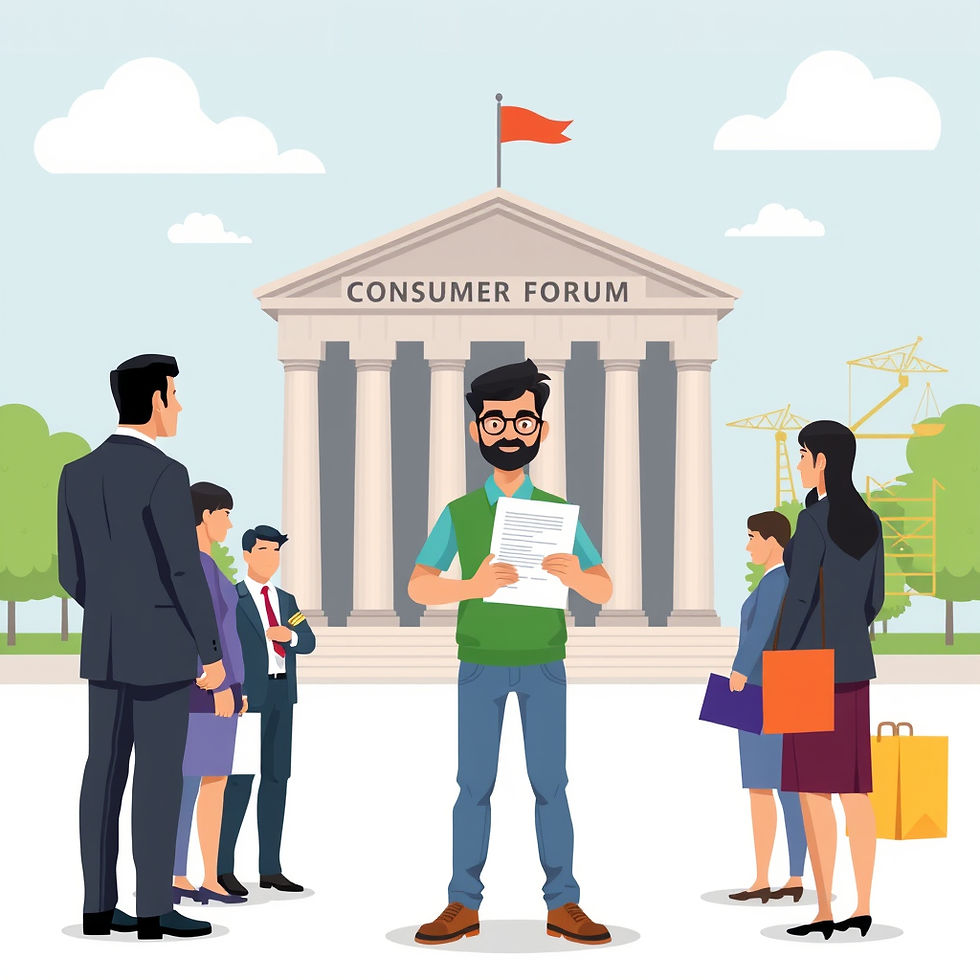
Allows consumers to sue for compensation in consumer forums
Covers delivery apps and food brands alike
3. BNSS ( Previously Indian Penal Code)
Section 274 (Adulteration of food or drink intended for sale)
Whoever adulterates any article of food or drinknbsp;to make it noxious, intending to sell it or knowing it is likely to be sold as food or drink, shall be punished with imprisonment for up to six months, or with a fine of up to five thousand rupees, or both.
Section 275 (Sale of noxious food or drink)
Whoever sells or offers or exposes for sale any article as food or drink that has been rendered noxious or is unfit for consumption, knowing or having reason to believe it is noxious, shall face the same punishment as mentioned in Section 274 (imprisonment up to six months, or fine up to five thousand rupees, or both)
4. E-Commerce Rules, 2020
Platforms like Swiggy, Zomato are intermediaries but liable if due diligence is missing
Mandates full disclosure of FSSAI license of partner restaurants
Global Legal Perspective: A Shared Responsibility Across Borders
Unsafe food delivery isn’t just an Indian problem—it’s a global concern.
In the United States, the FDA’s Food Safety Modernization Act (FSMA) holds both food businesses and third-party delivery services accountable for contamination, temperature violations, and false labeling.
In the European Union, the General Food Law Regulation (EC 178/2002) imposes strict traceability, hygiene, and liability requirements for food operators, including online sellers.
Gulf countries, such as the UAE and Saudi Arabia, conduct unannounced inspections and impose steep fines or permanent shutdowns for food safety breaches in cloud kitchens and restaurants.
Across all regions, the trend is clear: food safety regulations are expanding to cover digital food delivery models, and penalties for non-compliance are becoming increasingly severe.
The Problem? Weak Enforcement + Platform Complicity
Despite the laws, enforcement is patchy. Most consumers don’t know their rights. Platforms escape scrutiny by deflecting blame onto restaurants. And small vendors exploit loopholes due to lack of awareness or regulation.
It’s a compliance blind spot that’s only growing as the food delivery economy explodes.
What Needs to Change?
Strict audit & surprise inspections for cloud kitchens and delivery hubs
Cold chain protocols mandatory for perishable deliveries
FSSAI licensing visible on every food listing online
Consumer awareness campaigns about food safety rights
Faster legal redressal for food safety violations
Accountability clauses in aggregator contracts with partner restaurants
If You’re a Business Owner in the F&B Space, Read This
You’re not just serving food—you’re legally liable for what goes out your door. It’s not enough to outsource to a delivery platform and wash your hands. Ensure:
Your licenses are up to date
Your kitchen staff is trained and hygienic
Your packaging preserves safety
You log batch data in case of complaints
Negligence isn’t just bad for business, can ruin lives.
And If You’re a Consumer: Stay Vigilant
Always check for FSSAI license numbers
Report suspicious food quality to the FSSAI portal or consumer forum
Avoid unregistered home kitchens or vendors without traceable records
Keep receipts and timestamps, they matter legally
Final Thought: Safety Isn’t Optional, It’s a Legal and Moral Duty
In a world where speed is worshipped, we must never sacrifice safety at the altar of convenience. The law is clear: serving unsafe food is not just bad business, it’s a crime.
Let’s push for transparency, demand accountability, and build a food ecosystem that delivers not just fast, but safe and trustworthy meals.
What’s Your Experience with Food Delivery Safety?
Have you ever faced a food-related health scare? Do you think platforms like Zomato, Swiggy, Food Panda, Hunger station and Talabath etc are doing enough?
Drop your thoughts below, your story mighthelp push policy in the right direction.
Zuber Syed zuber.syed@gmail.com


Comments